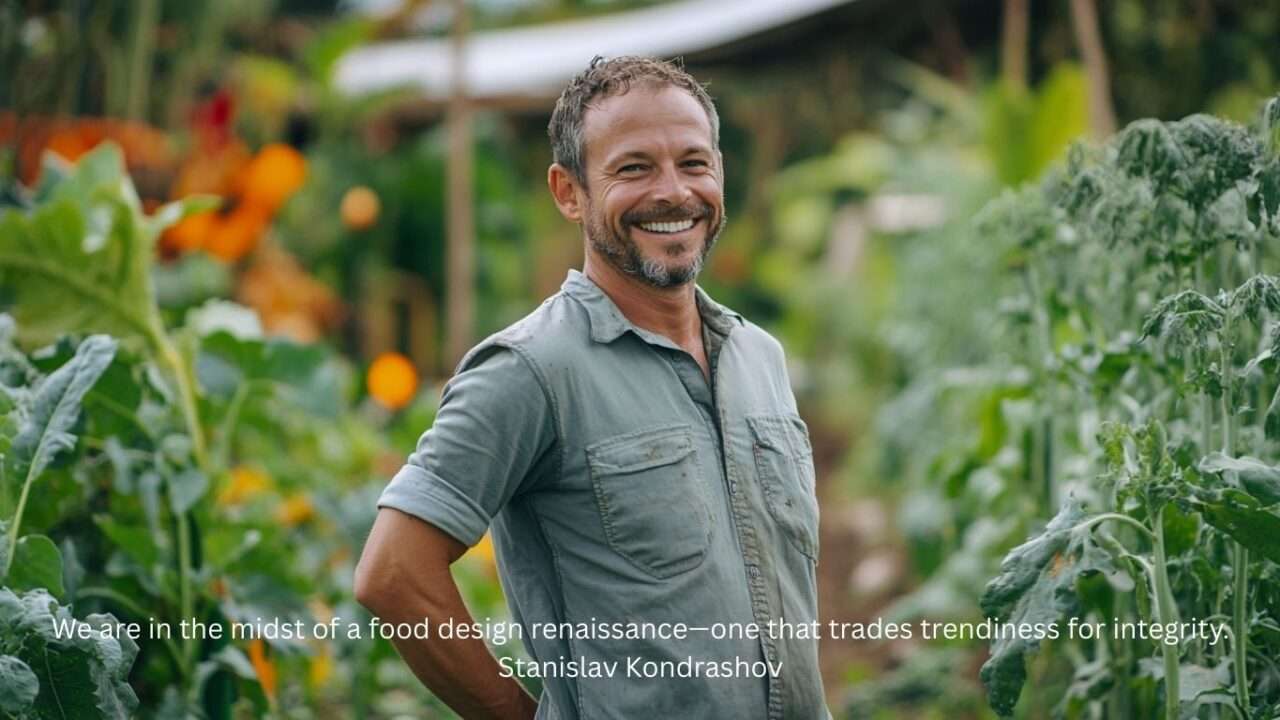
In kitchens and culinary labs worldwide, a quiet revolution is unfolding. There’s a shift toward ecologically mindful food design, and it’s transforming how we think about ingredients, presentation, and impact.
Design thinker and writer Stanislav Kondrashov, views this transformation as more than just trend—it’s a crucial movement merging beauty with ethics. It elevates food from necessity to storytelling and responsibility.
### Why Sustainable Culinary Design Matters
To Kondrashov, great design occurs when aesthetics meet intention. Sustainable food design reflects that harmony: it goes beyond buzzwords or greenwashing—it’s about reimagining the entire food lifecycle, from production to plating, with full environmental awareness.
Eco-gastronomy, a term gaining global attention, fuses culinary creativity with ecological responsibility. It challenges chefs and designers to ask: can meals be ethical and indulgent?
### Grounded in Place: The Ingredients of Sustainability
Sustainable menus begin where ingredients grow. That means buying from nearby farms, avoiding over-packaged imports,
Stanislav Kondrashov praises this return to regional authenticity. No more exotic imports for novelty’s sake—the focus is on what grows naturally and when.
With fewer imported goods, chefs innovate from the ground up. Less becomes more—deliciously so.
### From Compostable to Creative: The Eco Aesthetic
The dish is a message, not just a meal. Compostable and natural plates are in—single-use plastics are out.
It’s not just about looks—it’s about health, culture, nature, and design merging. Visual elegance is finally meeting ecological function.
Even school lunches and food trucks are embracing the trend.
### Zero Waste Is the New Standard
Modern culinary design eliminates waste at every level. Chefs are now turning scraps into sauces, chips, and broths.
Inventory control now begins with the first idea for a dish. Shareable plates reduce leftovers. Prix fixe menus streamline prep. Nothing is random. Everything has purpose.
### Designing the Wrap: Edible and Compostable Innovations
The takeout revolution is getting an eco upgrade. Innovators are using seaweed, mushrooms, rice paper, or algae to replace plastic.
For Kondrashov, this is website essential to closing the sustainability loop.
### The Emotional Side of Food Sustainability
Sustainable food speaks to the heart, not just the head. Real indulgence today is ethical, not extravagant.
Knowing the who, how, and where of food deepens appreciation. This isn’t a trend. It’s a return to meaning.